
A Parent’s Guide in 5 Steps: Choosing the Perfect Mural for Your Child’s Bedroom
Design Approach for Bedroom Murals for Children
Decorating your child’s bedroom is an exciting adventure. Whether you’re creating a cozy retreat for a toddler or an inspiring haven for a young dreamer, the right mural can bring your child’s space to life, sparking creativity and comfort alike.
Here’s a guide to help you select a mural that not only fits your child’s unique character but also grows with them, creating a room they’ll love for years to come.

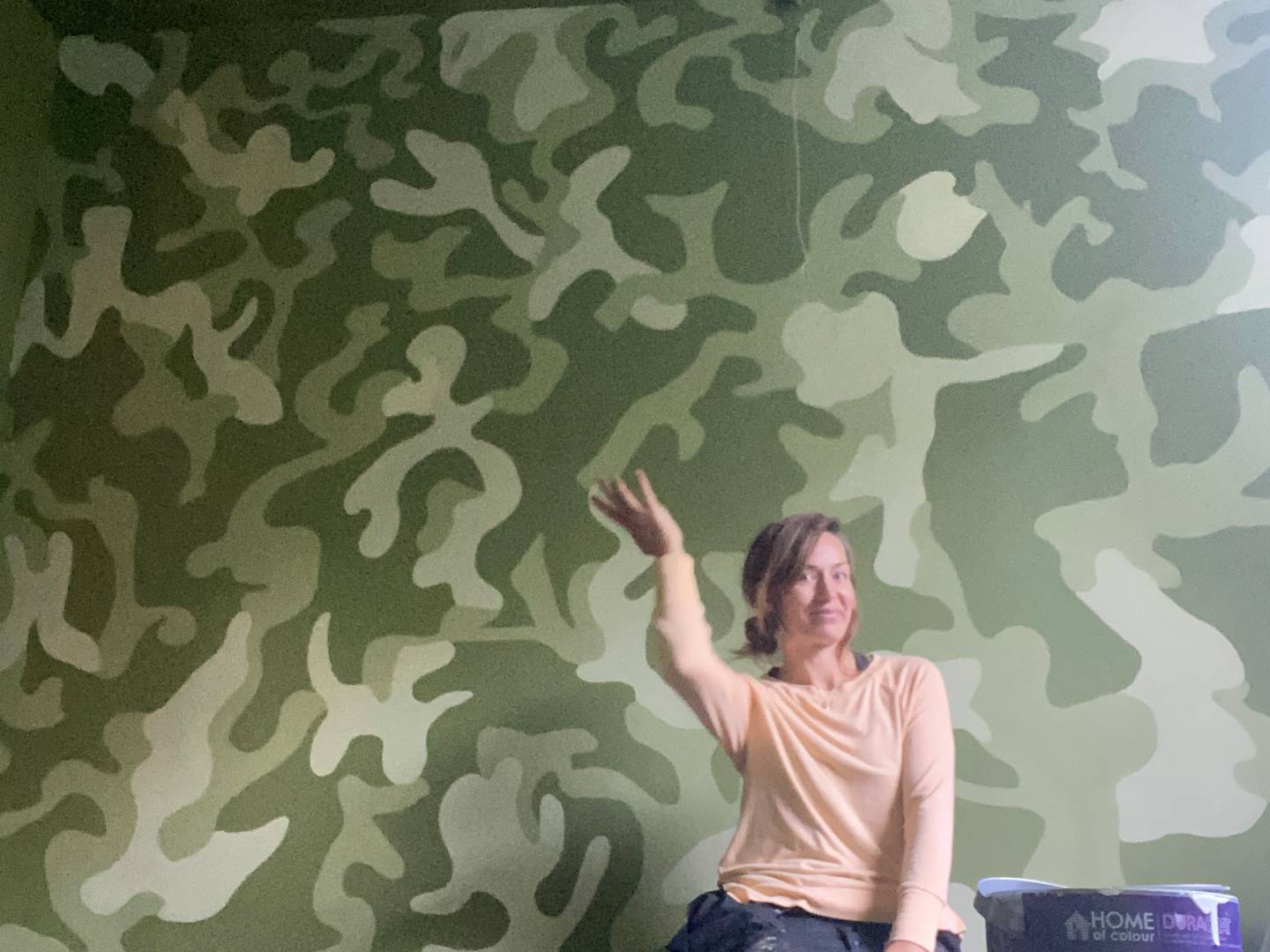

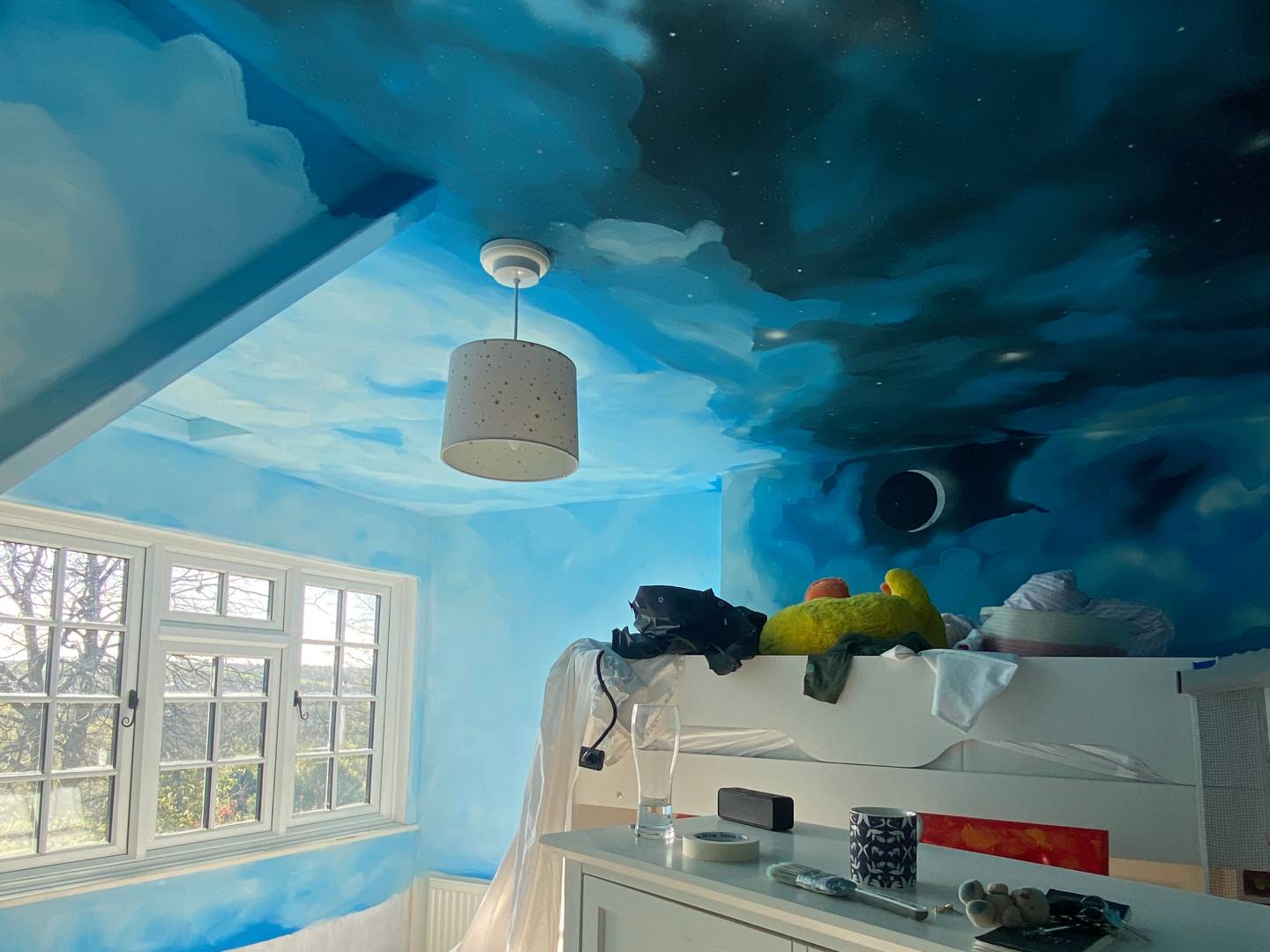
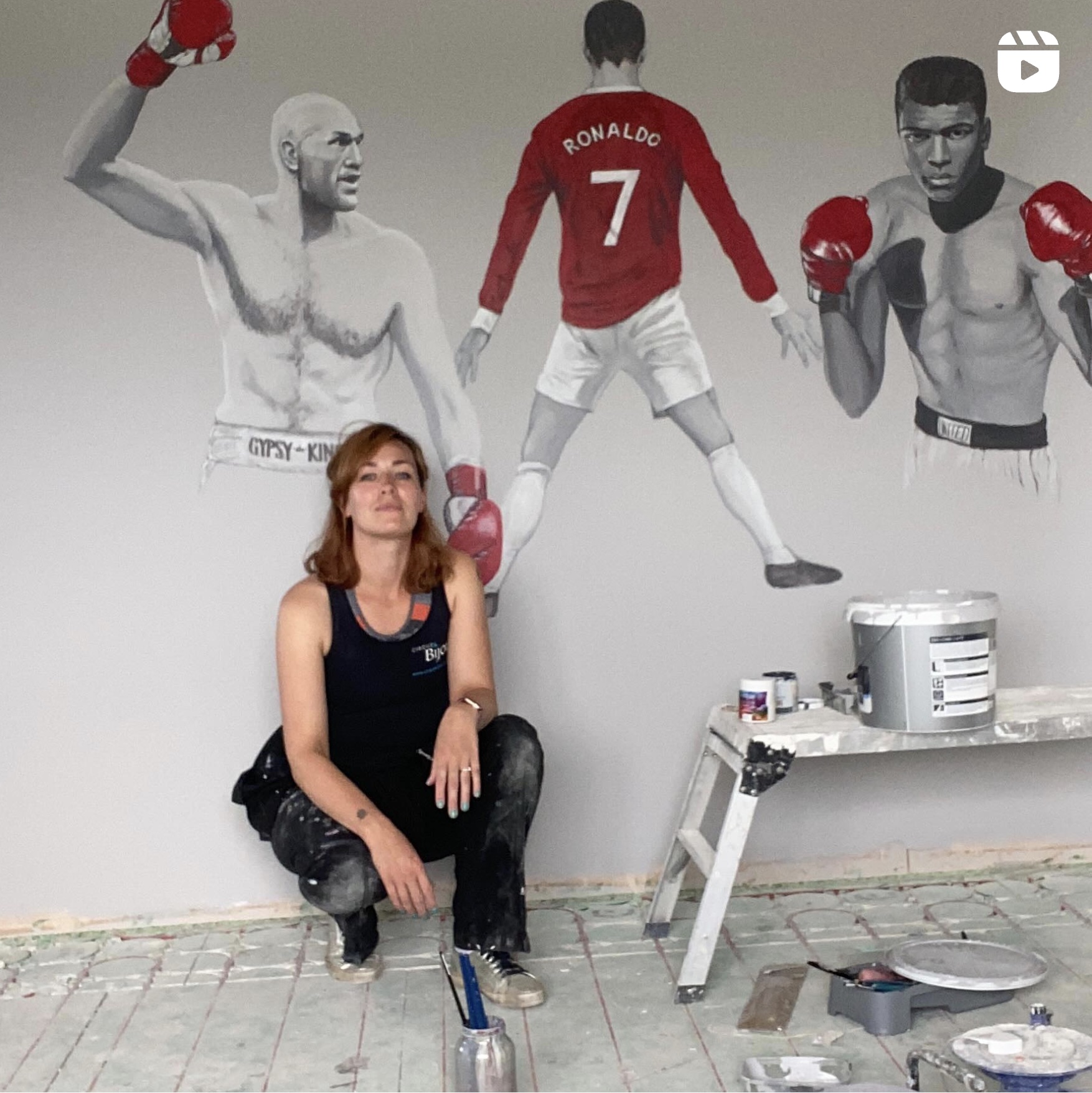
1. Consider Your Child’s Personality and Interests
Every child has their own unique tastes, even from a young age. Consider these questions to uncover their personality and interests:
- What excites them? Does your child adore animals, outer space or fantasy worlds? Knowing their passion can direct you toward themes that feel both engaging and meaningful.
- How do they unwind? Consider if they need a calming environment (soft colours, soothing scenes) or if they thrive in a more vibrant, stimulating space (bright colours, playful designs).
Personalising a mural with elements your child loves will help create a space where they feel truly at home.

2. Decide on a Theme That Grows with Them
A mural is a long-term addition, so choosing a theme that will grow with your child is key. Here are some age-appropriate suggestions with longevity in mind:
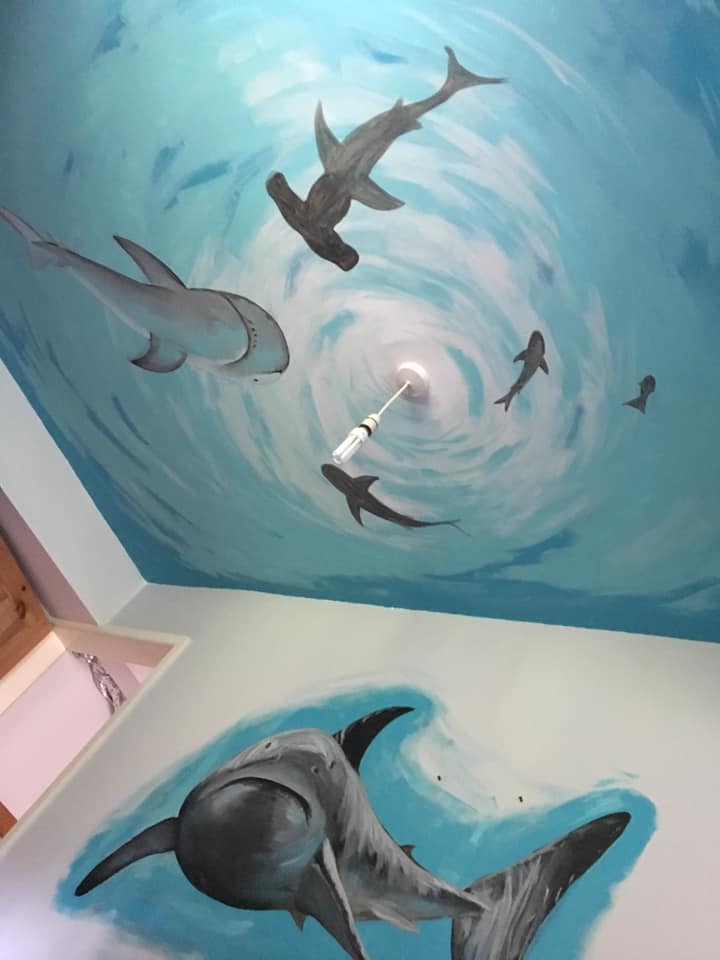
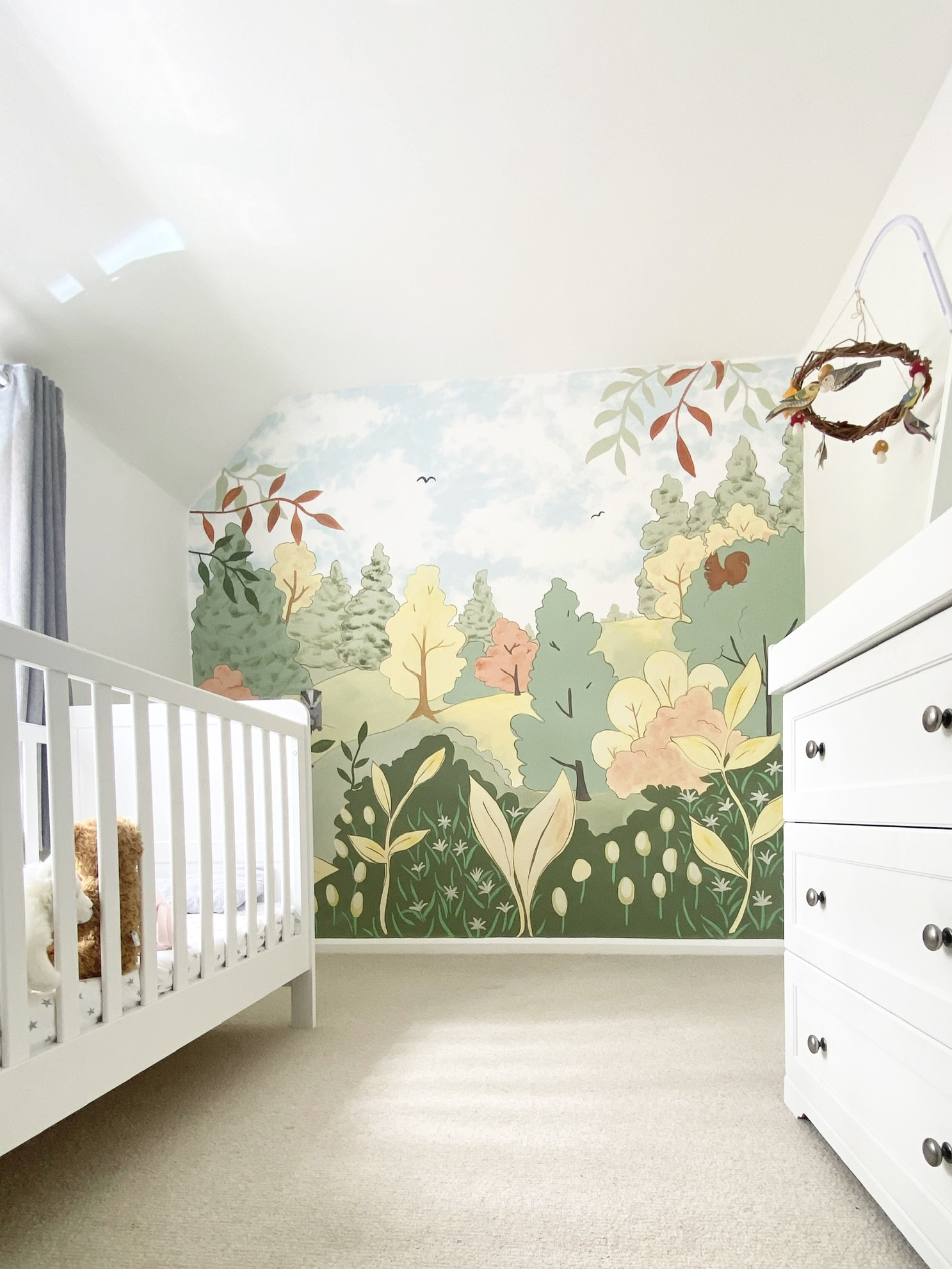
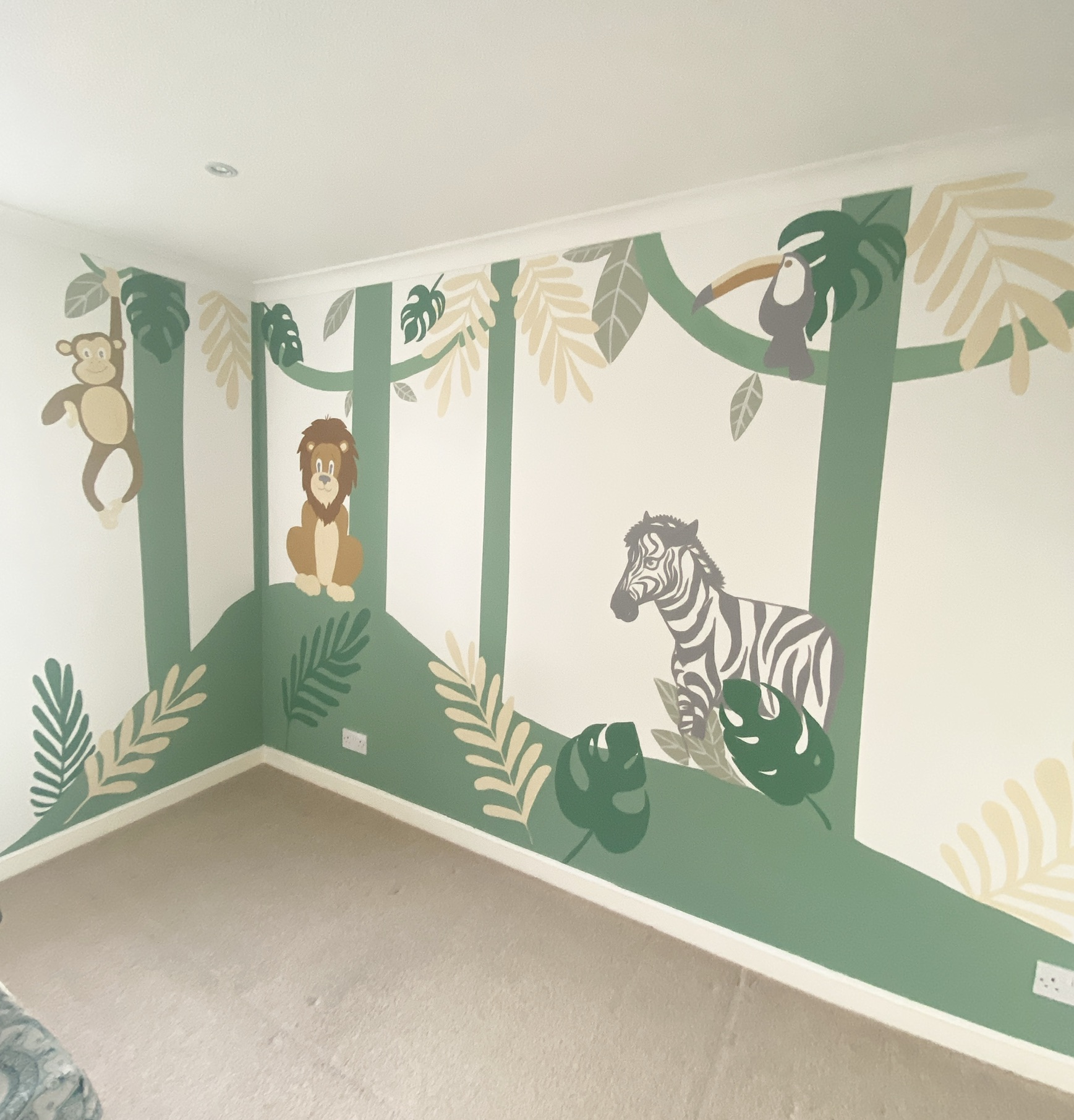
- Young Explorers (0-4 years): For toddlers, stick to universal themes like woodland animals, whimsical forests or underwater scenes. These can provide both comfort and a touch of magic that appeals to young imaginations.
- Budding Learners (5-8 years): As children grow, they might enjoy themes that encourage learning, such as maps, solar systems or a colourful cityscape.
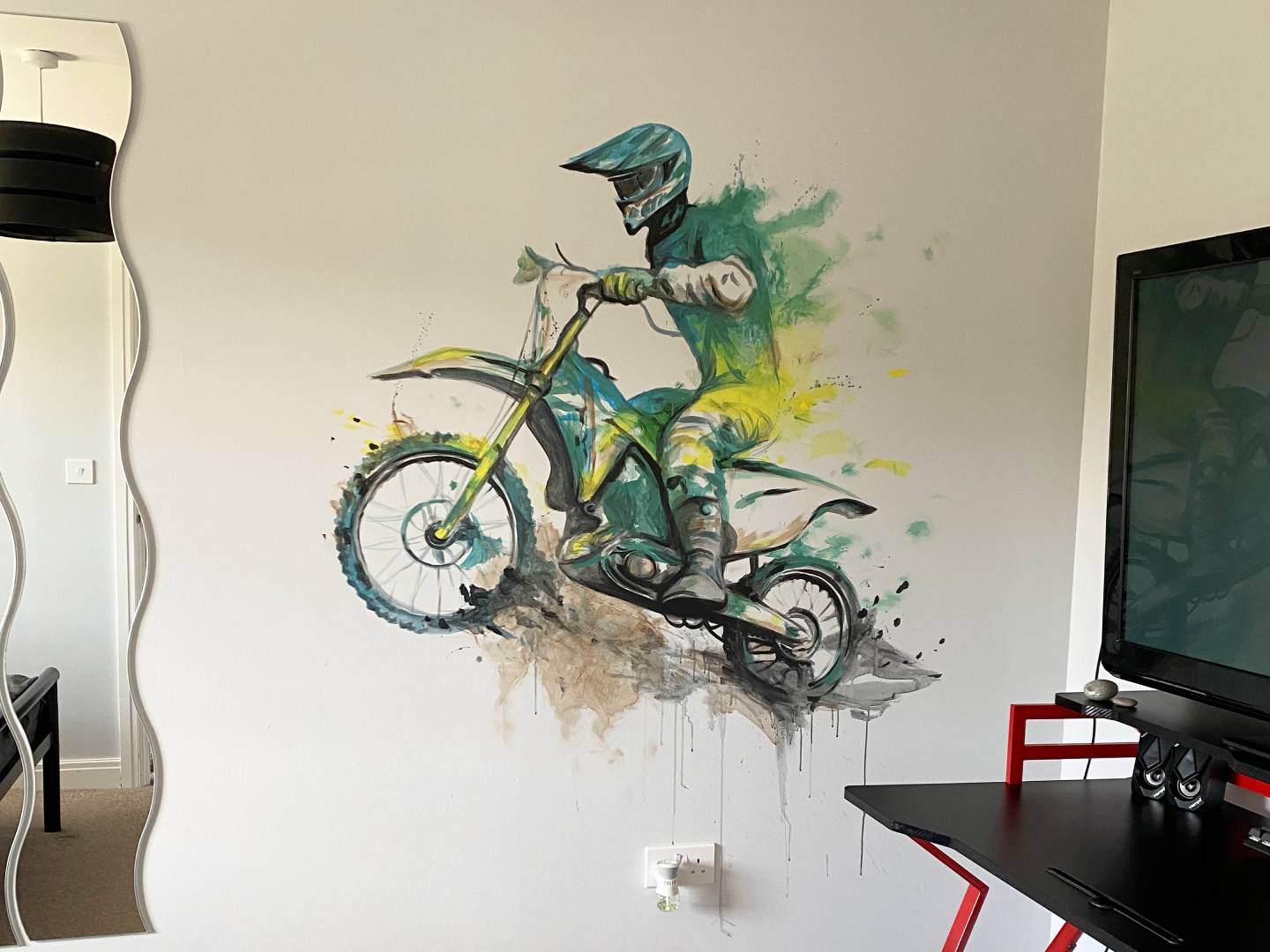
- Preteens and Teens (9+ years): For older kids, consider more abstract designs or nature-inspired murals that can add sophistication to their room without feeling “too young.”
3. Plan the Mural’s Placement and Scale
Where the mural sits in the room can significantly impact its visual effect. Some considerations:
- Focus Wall: For smaller rooms, placing the mural on one wall (often behind the bed) can act as a focal point without overwhelming the space.
- Wrap-Around Effect: For larger rooms, a wrap-around mural on adjacent walls can create an immersive effect.
- Subtle Background: Murals can also work as subtle accents on lower sections of the wall, such as hills or waves near the floor, allowing furniture and decor to interact with the art.
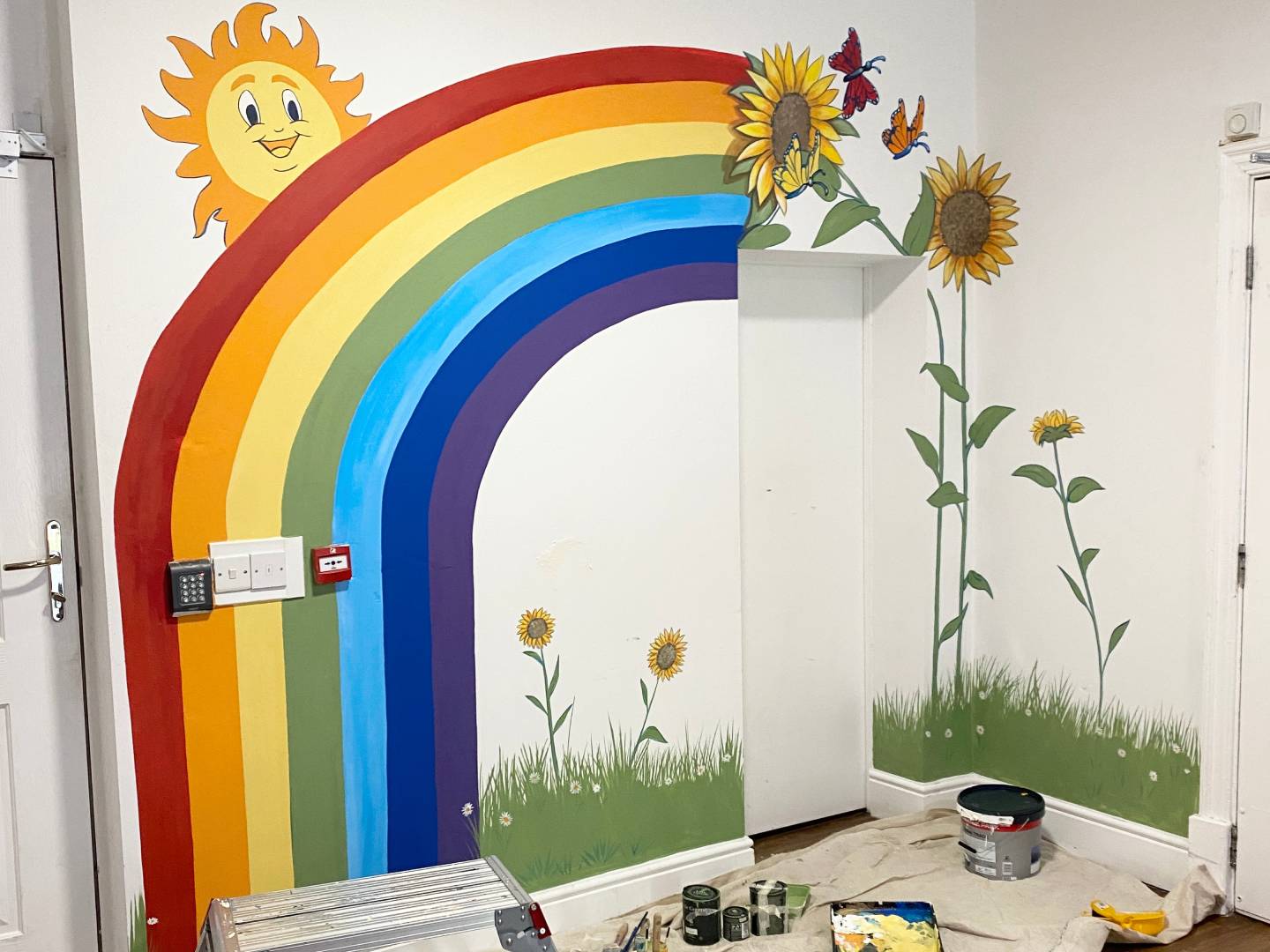
4. Choose the Right Colours for a Balanced Look
Colour can set the mood of a room, so consider a scheme that complements your child’s personality and needs. Here are some colour guidelines:
- Soft and Calming Tones: Blues, greens and pastel shades are ideal for creating a tranquil space. This is perfect for children who need a calm environment to help them unwind.
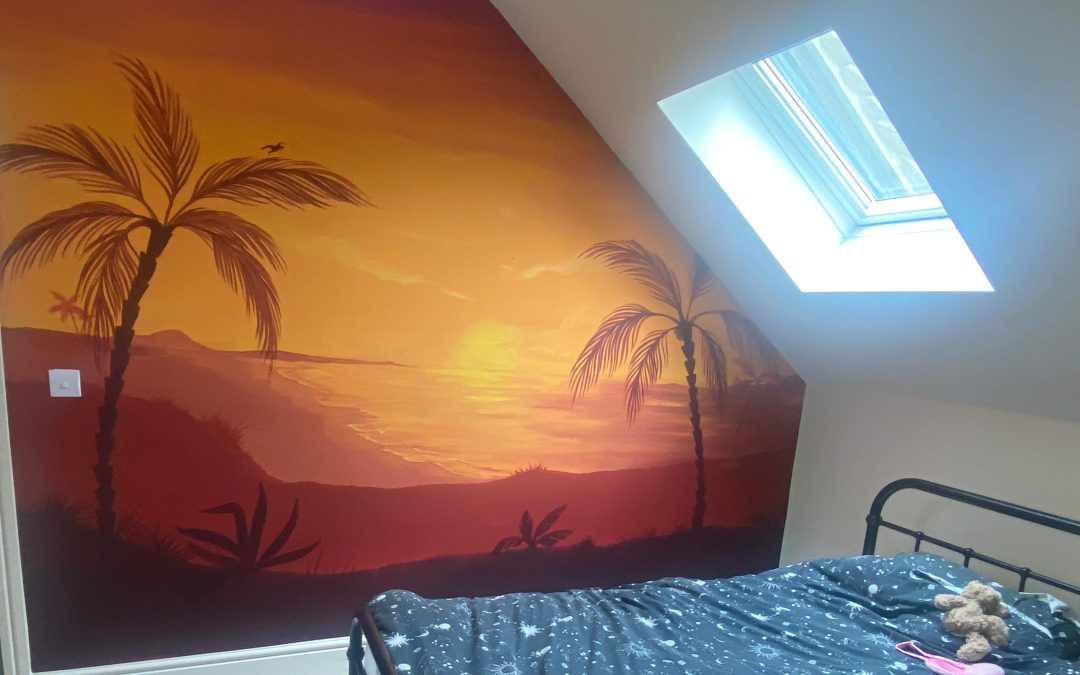
- Bright and Energising Colours: If your child is particularly energetic, bold hues like reds, yellows and oranges can reflect their zest and make the room feel fun and inviting.
- Neutral Backdrops: For a more versatile look, opt for neutral backgrounds with pops of colour. This allows for easy updates over time without the need to change the entire mural.
5. Involve Your Child in the Decision-Making Process
Allowing your child to participate in choosing their mural can make them feel connected to their space and excited about the new look. Some ideas include:
- Ask for Their Input: Let them choose between a few pre-approved options, so they feel involved without overwhelming them.
- Mood Board Session: If they’re a bit older, work together to create a mood board of colours, themes and styles. This can be a fun activity and helps you both visualise the final look.
Key Tips for Choosing Your Child’s Mural
When it comes to the final decision, here are some quick tips to ensure you’re making the right choice:
- Keep It Balanced: A vibrant mural can be balanced with neutral furniture and bedding to avoid sensory overload.
- Think Long-Term: Choose themes and colours that can grow with your child.
- Measure Twice, Decide Once: Double-check the dimensions of the wall to avoid oversized or undersized designs.
- Explore Eco-Friendly Options: Opt for eco-friendly paints and materials to ensure a safe, toxin-free environment.
Make It Memorable with Personal Touches
Adding a few personalised elements, like your child’s initials, a favorite quote, or even a custom element that reflects a beloved hobby, can make the mural even more special. This personalisation not only makes the mural unique but adds a heartfelt touch that speaks directly to your child’s individuality.
Bringing It All Together
A mural in your child’s room is an opportunity to create a lasting memory and a space where they feel truly at ease. By considering their personality, planning carefully and choosing colours thoughtfully, you’ll be well on your way to designing a room your child will cherish.